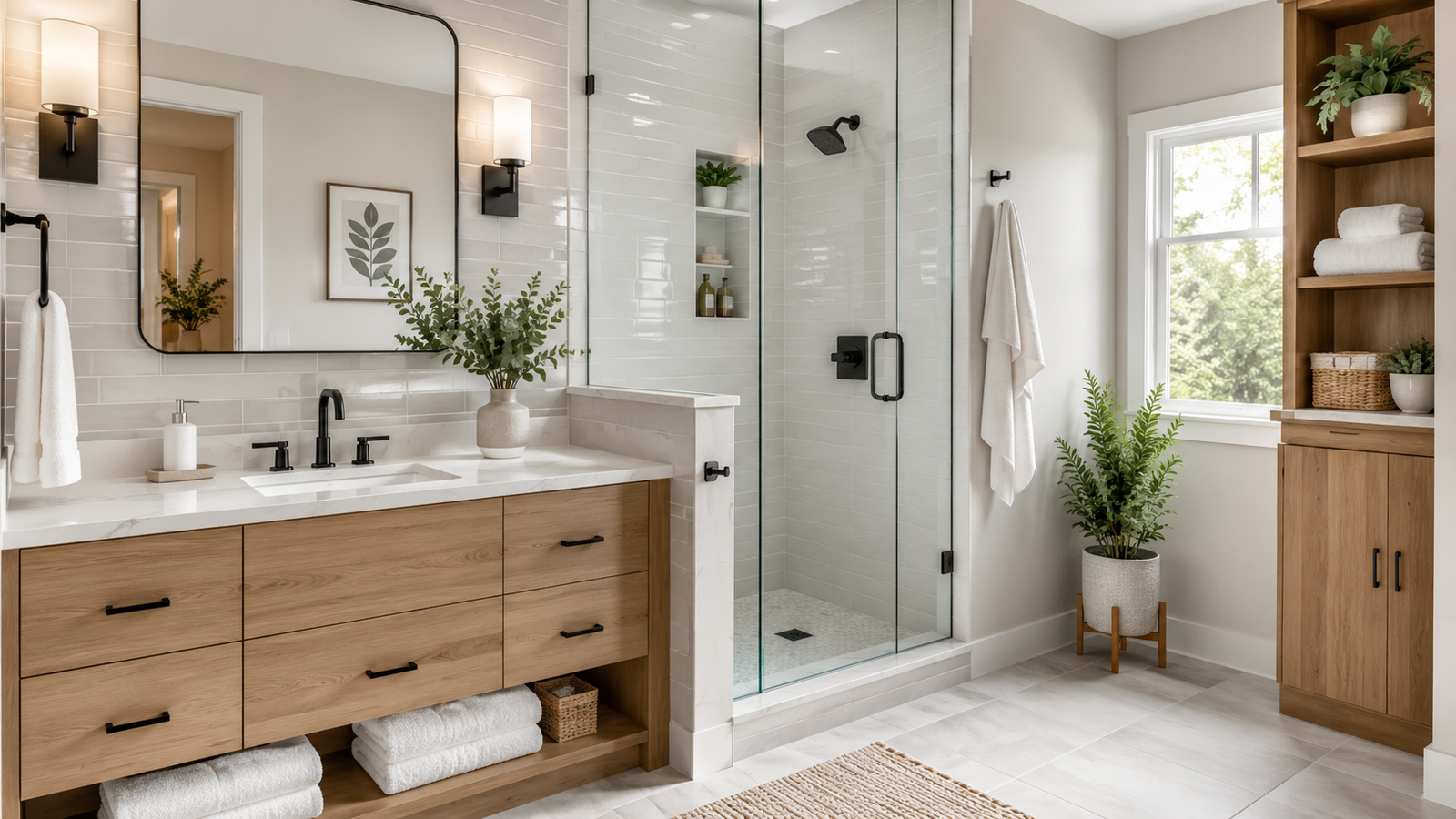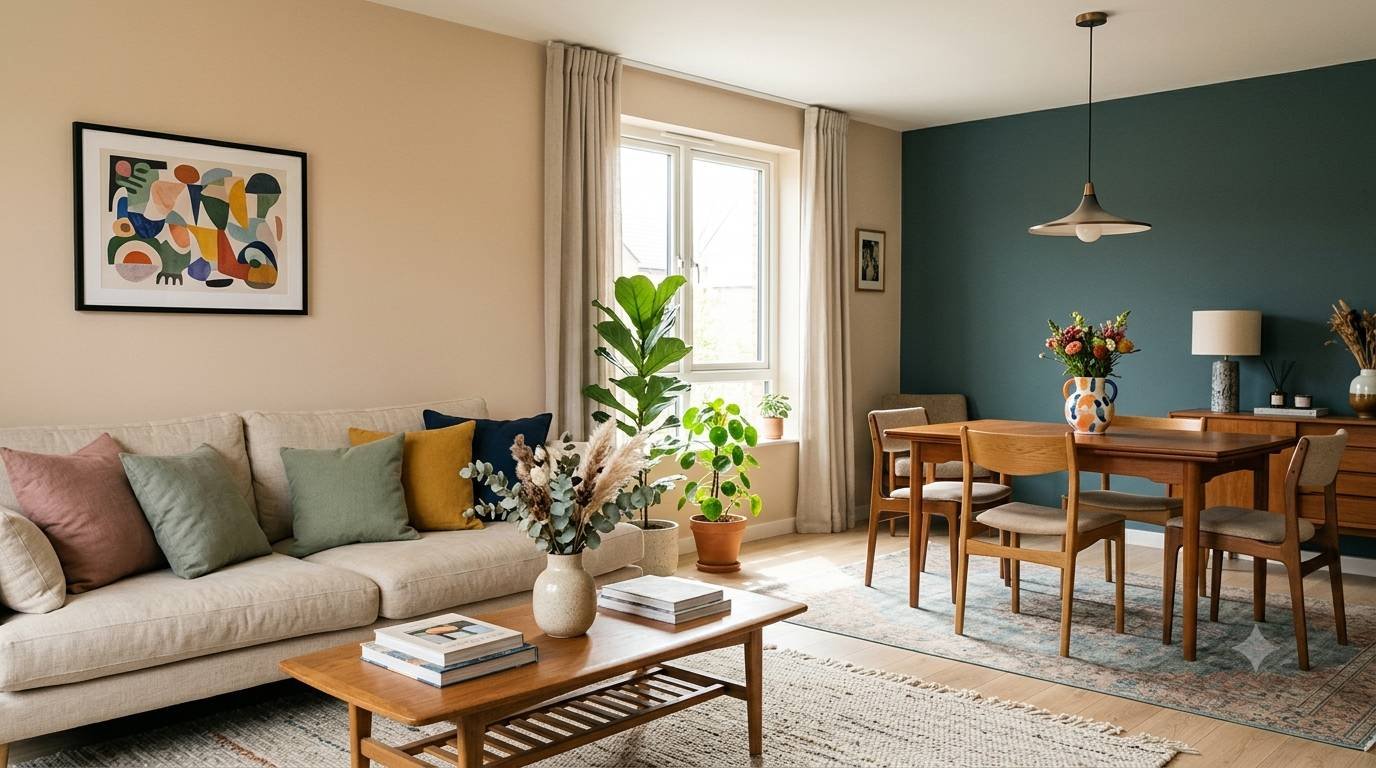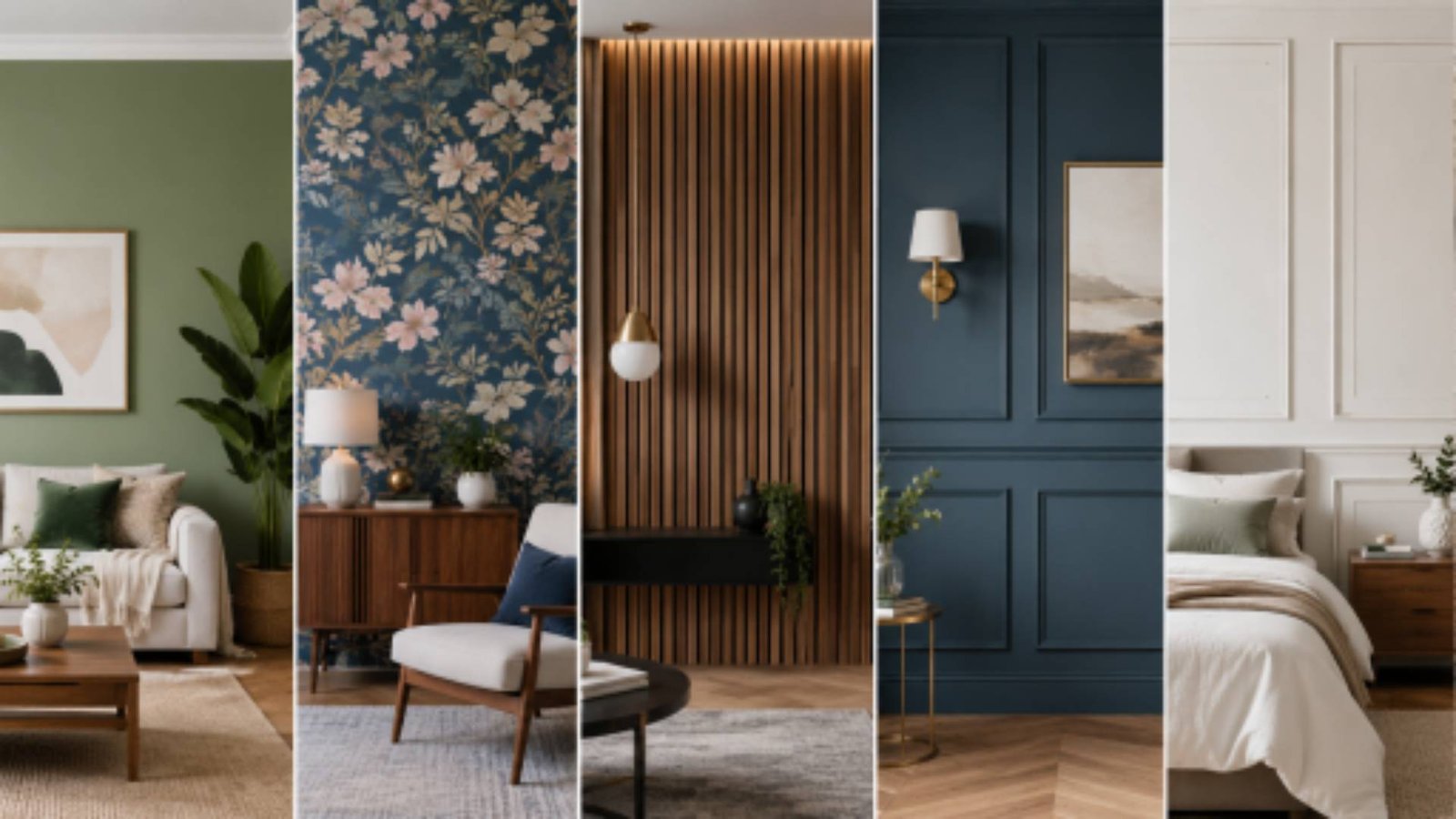
Walls have a bigger influence on a room than many homeowners realise. They establish colour, texture, visual balance, and atmosphere. Changing them can make a space feel brighter, warmer, taller, wider, or more characterful without changing the basic layout.
The good news is that wall improvements do not always require a major renovation. A fresh coat of paint, carefully chosen wallpaper, simple paneling, or new moulding can completely change the feel of a room.
The key is choosing a treatment that suits the room, the existing architecture, your budget, and how much maintenance you are willing to handle.
Start by Understanding the Room
Before choosing a wall treatment, look at the room as a whole.
Consider:
- How much natural light does it receive?
- Is the room large, small, narrow, or unusually shaped?
- How often is the space used?
- Is there significant moisture or humidity?
- Are the walls already textured or damaged?
- What furniture and flooring will remain?
- How much maintenance will the walls need?
- Is the treatment intended to last for years or be easy to change?
A wall treatment should work with the room rather than compete with everything else in it.
For example, a bold wallpaper pattern may look excellent on one feature wall but overwhelming when repeated throughout a small room. Similarly, dark paneling can create warmth and depth, but it may make a poorly lit space feel smaller.
Paint: The Most Flexible Wall Treatment
Paint remains one of the simplest and most affordable ways to transform a room.
It can refresh tired walls, highlight architectural features, create contrast, and change the perceived size of a space.
Choosing the Right Paint Colour
Colour affects how a room feels.
Lighter shades can make a room appear more open, while darker colours can create a cosy and intimate atmosphere. Warm tones can add energy or comfort, while cooler shades may create a calmer feeling.
However, never choose a colour based solely on a small paint card.
Natural and artificial lighting can dramatically change how a colour appears. Test samples on the actual wall and observe them at different times of day before committing.
Paint Finishes Matter
The finish affects both appearance and practicality.
Matte or flat finishes can help disguise minor surface imperfections and create a soft appearance. They are often suited to lower-traffic areas.
Eggshell and satin finishes offer a balance between appearance and cleanability, making them useful in many living spaces.
Semi-gloss and gloss finishes are more reflective and can be easier to clean. They may work well on trim, doors, and selected high-use areas.
The ideal finish depends on the room and the condition of the surface.
Wallpaper: Add Pattern and Personality
Wallpaper can introduce colour, pattern, texture, or visual depth that paint cannot always achieve.
It is particularly useful when you want a room to have a stronger design identity.
Wallpaper can be used across all walls or more selectively.
A feature wall behind a bed, sofa, dining area, or desk can create a focal point without covering the entire room in a bold pattern.
How to Choose Wallpaper
Think about scale before choosing a pattern.
Large patterns can make a strong statement, while smaller patterns may feel more subtle. In a compact room, a carefully selected design can add personality without necessarily making the space feel smaller.
Also consider the existing furniture.
If the room already contains patterned upholstery, rugs, curtains, or artwork, a quieter wallpaper may create better balance.
Consider the Room’s Conditions
Not every wallpaper is appropriate for every room.
Bathrooms, kitchens, utility spaces, and other humid areas require products specifically suited to those conditions. Moisture behind wallpaper can cause peeling, staining, or other problems.
Always check the manufacturer’s recommendations before installation.
Wood Paneling Adds Warmth and Texture
Wall paneling can give a room architectural character without requiring major structural changes.
Depending on the design, paneling can feel traditional, contemporary, rustic, or minimalist.
Popular approaches include:
- Full-height panels
- Half-wall paneling
- Shaker-style panels
- Slatted wood
- Board-and-batten designs
- Raised panels
- Simple geometric moulding
The choice should reflect the architecture and proportions of the room.
Full-Height Paneling
Full-height treatment can emphasise vertical lines and make ceilings appear taller.
This approach works particularly well when the panel design is relatively restrained.
Half-Wall Paneling
Lower wall treatments can add visual structure while leaving the upper section available for paint, artwork, or wallpaper.
This can be useful in dining rooms, hallways, bedrooms, and living spaces.
Slatted Wood
Vertical wood slats create texture and can introduce warmth into modern interiors.
They can also be used selectively behind a television, dining area, headboard, or other focal point.
However, too much repeated texture can make a room feel visually busy. Use it intentionally.
Moulding and Architectural Details
You do not need elaborate millwork to make a wall more interesting.
Simple architectural details can create a polished appearance.
Options include:
- Crown moulding
- Picture-frame moulding
- Chair rails
- Decorative trim
- Door and window casings
- Board-and-batten detailing
- Wall frames
- Simple geometric designs
These details can be particularly effective in homes where you want to enhance existing architectural character.
DIY Moulding Projects
Simple moulding projects can be suitable for confident DIY homeowners.
A basic project might involve measuring the wall, planning the pattern, cutting trim, attaching it securely, filling gaps, sanding, priming, and painting.
The preparation is often more important than the actual installation.
Measure carefully before cutting. Small errors can become obvious once several pieces meet at corners.
If the wall is uneven, you may also need to account for variations when installing the trim.
For complex millwork or expensive materials, professional installation can provide a more consistent result.
Create a Feature Wall Without Overdoing It
A feature wall can be one of the easiest ways to add personality.
Good locations often include:
- Behind a bed
- Behind a sofa
- Behind a dining table
- Behind a television
- At the end of a hallway
- Around a fireplace
The feature should have a reason to exist.
If every wall is competing for attention, none of them becomes a true focal point.
A restrained feature wall often has more impact than covering the entire room in multiple statement finishes.
How Wall Treatments Change the Perception of Space
Wall treatments can influence how large, tall, or intimate a room appears.
Making a Room Feel Taller
Vertical lines can draw the eye upward.
Tall paneling, vertical slats, vertically oriented wallpaper patterns, and full-height curtains can reinforce this effect.
Making a Narrow Room Feel Wider
Horizontal lines can visually emphasise width.
A lower horizontal moulding arrangement or carefully selected horizontal pattern can help create this impression.
Making a Large Room Feel Cosier
Darker colours, textured surfaces, paneling, and patterned wallpaper can add visual weight.
Rather than making a large room feel empty, these treatments can help create a more comfortable atmosphere.
Making a Small Room Feel Brighter
Light colours and reflective surfaces can help maximise the available light.
This does not mean every small room must be white. Pale greens, soft blues, warm neutrals, and other light tones can also create an open feeling.
Think About Lighting Before Choosing a Wall Treatment
Wall treatments and lighting work together.
A textured wall may look flat under uniform overhead lighting but become much more interesting when illuminated from an angle.
Wall sconces can highlight paneling or moulding. Adjustable spotlights can draw attention to artwork or a feature wall.
Natural light also changes how colour and texture appear throughout the day.
Before finalising your treatment, consider where the light comes from and how it interacts with the wall.
Prepare the Surface Properly
A beautiful wall treatment cannot compensate for poor preparation.
Before painting, wallpapering, or installing paneling, inspect the surface carefully.
Look for:
- Cracks
- Holes
- Loose paint
- Dampness
- Mould
- Uneven areas
- Grease
- Dust
- Previous wallpaper residue
Repair underlying problems before applying a new finish.
If moisture is causing damage, solve the moisture problem first. Covering it with paint or wallpaper may hide the symptom temporarily while the underlying issue continues.
Wall Treatments for Different Rooms
Living Room
Living rooms offer considerable flexibility.
Paint, wallpaper, paneling, moulding, and feature walls can all work well.
Choose based on the room’s size, natural light, furniture, and overall style.
Bedroom
Bedrooms generally benefit from treatments that create a calm atmosphere.
Soft colours, subtle wallpaper, painted paneling, and textured finishes can work particularly well.
A feature wall behind the bed is a common choice because the bed naturally creates a visual focal point.
Kitchen
Kitchen walls need to cope with cooking, splashes, grease, and frequent cleaning.
Washable paint and easy-clean backsplashes are practical choices.
Decorative wallpaper can work in suitable areas away from direct moisture and heat, provided the product is appropriate for the environment.
Bathroom
Moisture should be the first consideration.
Use products designed for humid environments and pay particular attention to ventilation.
Decorative wall treatments should never interfere with proper waterproofing in areas where water exposure is expected.
Hallways
Hallways are ideal places for durable wall treatments because they often receive heavy traffic.
Paneling, washable paint, durable wallpaper, and protective trim can all add character while helping walls cope with everyday wear.
Budget-Friendly Ways to Transform Walls
You do not need a large renovation budget to make a noticeable difference.
Try:
- Repainting tired walls with a carefully chosen colour.
- Painting existing trim to sharpen the room’s appearance.
- Creating simple DIY moulding on one wall.
- Using wallpaper selectively rather than throughout the room.
- Adding a feature wall behind an existing focal point.
- Refreshing old paneling with paint.
- Using artwork strategically instead of installing expensive finishes.
- Combining paint with simple trim for architectural interest.
Small changes can have a surprisingly large visual effect when they are planned properly.
When Premium Wall Treatments Are Worth It
Higher-end materials can make sense when you want a specific architectural result or long-term finish.
Custom millwork, specialist wallpaper, hand-finished plaster, detailed panel systems, and professionally installed architectural treatments can provide a level of detail that basic DIY solutions cannot always reproduce.
However, premium does not automatically mean better.
A simple, well-executed design can look more sophisticated than an expensive treatment that is poorly suited to the room.
How to Avoid Dated Wall Treatments
Interior trends change quickly.
The safest approach is not to avoid personality but to use it selectively.
If you love a bold trend, consider using it on one feature wall rather than throughout the home.
For more permanent elements, choose designs with simple proportions and materials that complement the home’s architecture.
Paint is also useful because it is relatively easy to change later.
Think about longevity when choosing expensive paneling, custom moulding, or specialist finishes. Ask whether you would still enjoy the treatment if current trends disappeared.
Common Wall Treatment Mistakes
Skipping Surface Preparation
Uneven or damaged walls can make even expensive finishes look poor.
Choosing Colour Without Testing It
Lighting can dramatically change how paint appears.
Using Too Many Statement Elements
Multiple bold walls, patterns, textures, and colours can make a room feel chaotic.
Ignoring Moisture
Wallpaper and unsuitable finishes can fail quickly in damp environments.
Forgetting Existing Architecture
A wall treatment should complement doors, windows, fireplaces, ceilings, flooring, and other permanent features.
Poorly Planned Moulding
Uneven spacing, awkward corners, and inconsistent proportions can make decorative trim look amateurish.
Treating Every Wall the Same
Some walls deserve to remain quiet. Contrast creates impact.
How to Combine Different Wall Treatments
You do not have to choose just one treatment.
Paint can be combined with moulding. Wallpaper can sit above paneling. A painted feature wall can frame a fireplace. Wood slats can be used against otherwise simple walls.
The key is establishing hierarchy.
Choose one dominant element, then allow the others to support it.
For example, a room might have:
- Neutral painted walls
- One patterned wallpaper feature wall
- Simple painted moulding
- Minimal artwork
- Natural wood furniture
Each element contributes something without competing for attention.
Frequently Asked Questions
What is the easiest way to transform a wall?
Painting is usually the simplest and most affordable option. Changing colour can dramatically alter a room without changing its layout.
Is wallpaper better than paint?
Neither is universally better. Paint is generally easier to change and can be simpler to maintain, while wallpaper offers patterns, textures, and visual effects that paint cannot easily reproduce.
Does wall paneling make a room look smaller?
It can, depending on the colour, pattern, scale, and lighting. Dark, heavy paneling may add visual weight, while carefully proportioned vertical paneling can emphasise ceiling height.
What wall treatment is best for a small room?
There is no single answer. Light paint colours, restrained patterns, vertical details, and carefully positioned mirrors or reflective surfaces can help a small room feel more open.
Can I install wall paneling myself?
Simple paneling and moulding projects can be suitable for experienced DIY homeowners. More complex millwork, uneven walls, or expensive materials may justify professional installation.
Conclusion
Walls provide one of the easiest ways to change the character of a home without completely rebuilding it.
Paint can refresh a tired room in a weekend. Wallpaper can introduce pattern and personality. Paneling can add warmth and architectural depth, while simple moulding can give plain walls a more finished appearance.
The best results come from matching the treatment to the room rather than following a trend blindly. Consider natural light, moisture, traffic, maintenance, proportions, existing architecture, and your budget before making a decision.
Most importantly, do not feel pressured to transform every wall. A carefully chosen feature, thoughtful colour, or simple architectural detail can have more impact than an entire room filled with competing finishes.
When the treatment works with the space instead of overwhelming it, even a modest wall upgrade can make the whole home feel more considered, comfortable, and complete.