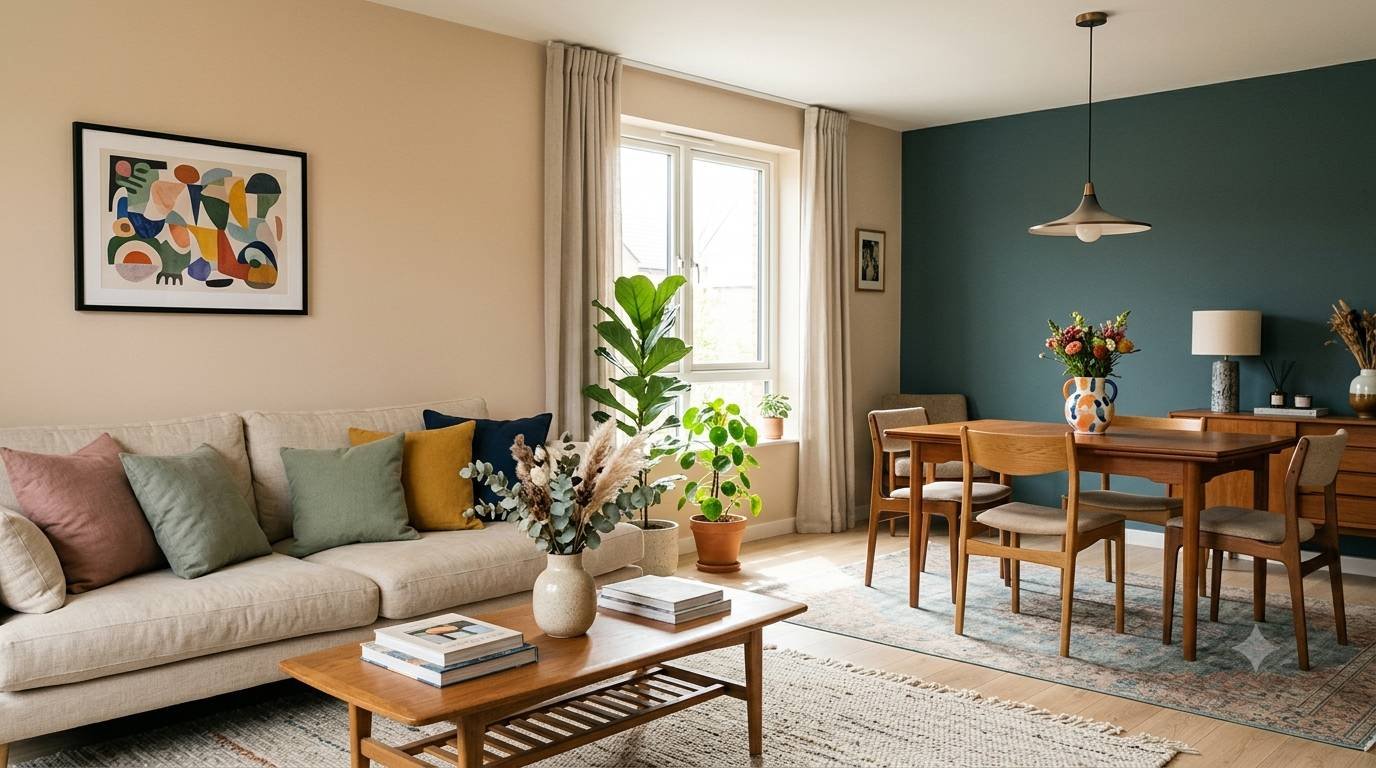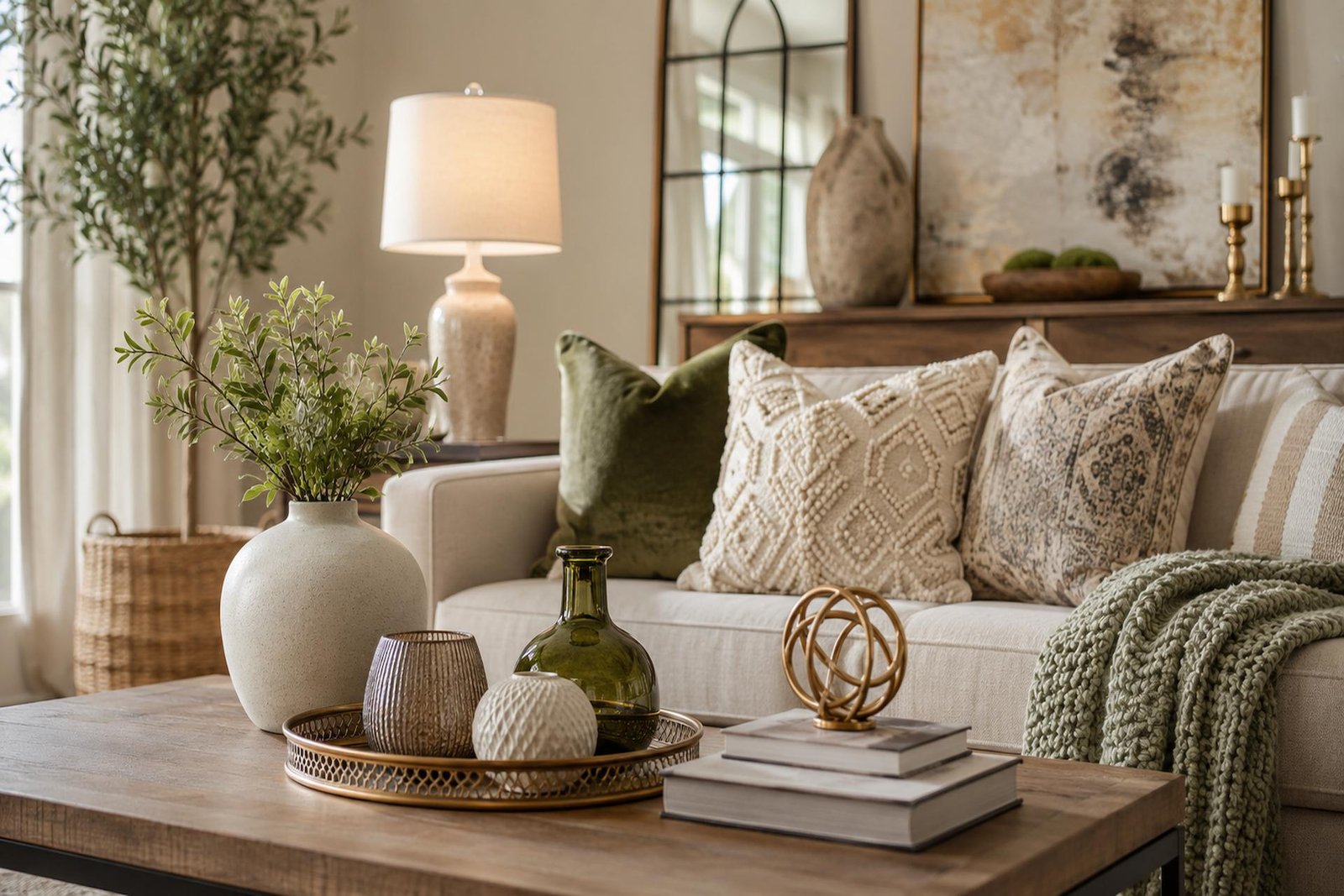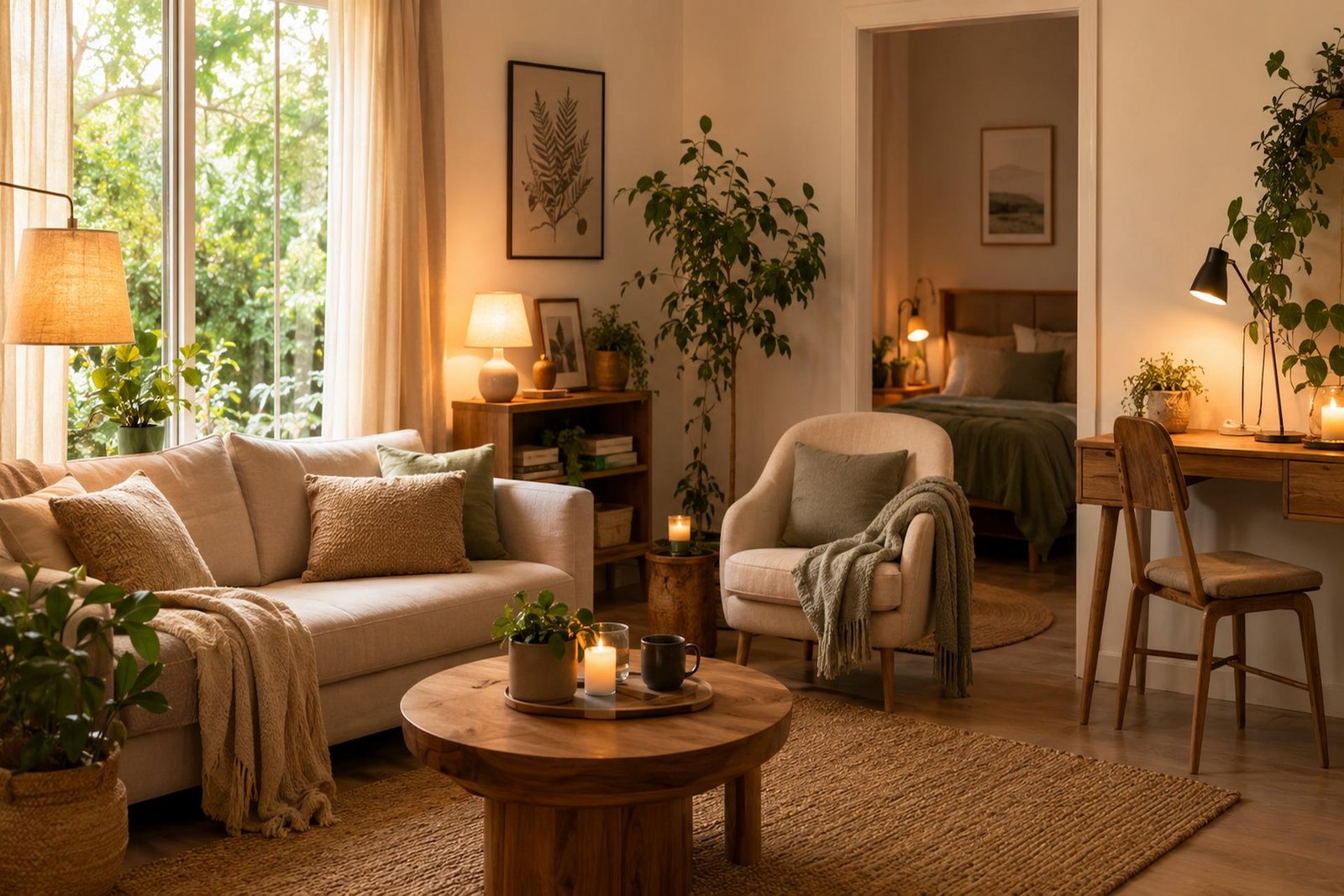
Introduction
Home is more than a place where we eat, sleep, and keep our belongings. It is the environment that shapes how we think, feel, and recover from the demands of daily life. The colours on the walls, the amount of natural light, the comfort of the furniture, and even the way a room is arranged all influence our emotional well-being.
Thoughtful interior design goes beyond creating a beautiful home. It creates spaces that promote relaxation, improve focus, reduce stress, and strengthen our sense of belonging. When every room supports both physical comfort and emotional health, a home becomes a place of restoration rather than simply a place to live.
This guide explores the psychology of home comfort and explains how intentional design choices can help create a healthier, happier living environment for every member of the household.
Why Home Comfort Matters for Emotional Well-Being
People naturally respond to their surroundings. A cluttered, poorly lit room can leave us feeling distracted or overwhelmed, while a bright, organized, and welcoming space often encourages calmness and productivity.
Home comfort is not about expensive furniture or luxury décor. Instead, it is about creating an environment where you feel safe, relaxed, and emotionally connected.
A comfortable home can:
- Reduce daily stress
- Support better mental clarity
- Encourage deeper relaxation
- Improve sleep quality
- Increase productivity
- Strengthen family relationships
- Promote emotional balance
When your surroundings support your emotional needs, everyday life becomes more enjoyable and manageable.
How Interior Design Influences Mood
Interior design affects the brain through constant sensory input. Every colour, texture, sound, scent, and lighting condition contributes to how a space feels.
For example:
- Bright natural light often increases energy and alertness.
- Soft textures promote feelings of safety and warmth.
- Balanced layouts reduce visual stress.
- Personal decorations strengthen emotional attachment.
- Comfortable seating encourages relaxation and meaningful conversations.
The goal is not perfection but creating an environment that feels peaceful and supportive.
The Power of Colour Psychology
Colour has one of the strongest influences on emotional comfort. Different shades naturally evoke different feelings.
Soft Blues
Blue creates a calming atmosphere that works well in bedrooms, bathrooms, and reading spaces. It can help lower stress and encourage relaxation.
Gentle Greens
Green reminds us of nature and supports emotional balance. It works beautifully in living rooms, home offices, and family spaces.
Warm Neutrals
Beige, cream, ivory, and warm grey create timeless comfort without overwhelming the senses. These colours provide flexibility while maintaining a peaceful atmosphere.
Earthy Browns
Wood tones and natural browns create feelings of warmth, stability, and security.
Muted Yellows
Soft yellow can brighten a room while maintaining a welcoming feeling. It works especially well in kitchens and breakfast areas.
Avoid using overly intense colours throughout an entire room, as they may create visual fatigue over time. Balance bold accents with neutral backgrounds for a more relaxing environment.
Lighting Shapes Emotional Health
Lighting changes how we experience every room.
Natural daylight supports healthy sleep cycles, improves mood, and helps maintain focus throughout the day. Whenever possible, maximize daylight by using sheer curtains, mirrors, and open layouts.
Layered lighting creates flexibility for different activities.
Include:
- Ambient lighting for overall brightness
- Task lighting for reading or working
- Accent lighting for warmth and atmosphere
Warm lighting during the evening helps prepare the brain for restful sleep, while cooler daylight tones work better during productive hours.
Sensory Design Creates Lasting Comfort
Great design engages all the senses, not just sight.
Touch
Choose soft blankets, textured cushions, natural fabrics, and comfortable upholstery that invite relaxation.
Sound
Reduce unnecessary noise with rugs, curtains, upholstered furniture, and bookshelves. Soft background music or gentle water features can also create a calming atmosphere.
Scent
Pleasant scents influence emotions more than many people realize.
Consider:
- Lavender for relaxation
- Citrus for energy
- Vanilla for warmth
- Cedarwood for grounding
- Eucalyptus for freshness
Temperature
Maintain a comfortable indoor temperature throughout the year. Even small adjustments can significantly improve overall comfort.
Comfortable Furniture Supports Mental Wellness
Furniture should support both the body and the mind.
Choose pieces that encourage healthy posture while remaining inviting enough for relaxation.
Instead of filling every corner, prioritize furniture that allows movement and creates breathing space.
Look for:
- Ergonomic chairs
- Supportive sofas
- Comfortable mattresses
- Soft seating areas
- Functional storage furniture
Comfort should always come before appearance.
Bringing Nature Indoors
Humans naturally feel calmer around natural elements.
Biophilic design strengthens our connection with nature through interior spaces.
Simple ways to introduce nature include:
- Indoor plants
- Fresh flowers
- Wooden furniture
- Natural stone finishes
- Linen and cotton fabrics
- Large windows
- Views of outdoor greenery
Even small indoor plants can create a greater sense of peace while improving the overall atmosphere.
Create a Cozy Corner
Every home benefits from having one dedicated place to unwind.
A cozy corner doesn’t require much space.
Include:
- A comfortable chair
- A soft throw blanket
- Good reading light
- Small side table
- Books or journals
- Personal decorations
Whether used for reading, meditation, or enjoying coffee, this small retreat provides valuable moments of quiet throughout the day.
Family Spaces Strengthen Emotional Connections
Shared spaces encourage conversation, laughter, and quality time.
Arrange furniture to face one another instead of focusing only on televisions. Include flexible seating that allows everyone to gather comfortably.
Family rooms become emotionally meaningful when they encourage interaction rather than distraction.
Restorative Bedrooms Improve Sleep and Recovery
Bedrooms should feel peaceful from the moment you enter.
To create a restorative bedroom:
- Keep colours soft and calming.
- Minimize visual clutter.
- Invest in quality bedding.
- Limit electronic distractions.
- Use blackout curtains when needed.
- Maintain comfortable room temperatures.
A restful bedroom supports deeper sleep, emotional recovery, and better mental performance during the day.
Decluttering Reduces Mental Overload
Physical clutter often creates mental clutter.
When every surface is filled, the brain continues processing visual information, making relaxation more difficult.
Simple habits help maintain calm:
- Organize regularly.
- Donate unused items.
- Use hidden storage.
- Keep work materials separate from relaxation areas.
- Clean little and often.
An organized environment promotes clearer thinking and lowers feelings of stress.
Personal Touches Create Emotional Attachment
The most comforting homes reflect the people who live in them.
Display meaningful items such as:
- Family photographs
- Travel souvenirs
- Handmade artwork
- Favorite books
- Heirlooms
- Personal collections
These objects tell your story and create a stronger emotional connection with your surroundings.
Designing a Home That Supports Focus
Many people now study or work from home.
A productive workspace should include:
- Natural lighting
- Comfortable seating
- Organized storage
- Minimal distractions
- Neutral colours
- Quiet surroundings
Separating work areas from relaxation spaces also helps maintain healthier work-life boundaries.
Small Homes Can Feel Emotionally Spacious
Comfort is not determined by square footage.
Even compact homes can feel welcoming by using:
- Multi-functional furniture
- Smart storage
- Light colour palettes
- Mirrors
- Vertical shelving
- Open walkways
- Minimal clutter
Thoughtful design often matters more than size.
Common Mistakes That Reduce Home Comfort
Avoid these common design choices:
- Poor lighting
- Overcrowded furniture
- Excessive clutter
- Ignoring natural light
- Choosing style over comfort
- Too many bold colours
- Lack of personal character
Small improvements in these areas can dramatically change how a home feels.
Practical Tips for Creating an Emotionally Healthy Home
- Let in as much natural light as possible.
- Use calming colour palettes.
- Add plants throughout the home.
- Invest in quality seating and bedding.
- Reduce unnecessary clutter.
- Display meaningful personal items.
- Create quiet spaces for relaxation.
- Balance beauty with functionality.
- Use layered lighting.
- Design every room with purpose.
Frequently Asked Questions
1. How does interior design affect mental health?
Interior design influences mood through lighting, colour, layout, comfort, and organization. Well-designed spaces can reduce stress, improve focus, encourage relaxation, and support overall emotional well-being.
2. What colours create a calming home?
Soft blues, gentle greens, warm neutrals, and earthy tones create a peaceful atmosphere that promotes relaxation, emotional balance, and everyday comfort.
3. Why is natural light important in a home?
Natural light boosts mood, supports healthy sleep patterns, improves concentration, and makes living spaces feel brighter, larger, and more welcoming.
4. How can I make my home feel more comfortable on a budget?
Declutter, rearrange furniture, add soft textiles, introduce indoor plants, improve lighting, and display meaningful personal items to create a warmer, more relaxing home without major expenses.
5. What is the most important element of a comforting home?
A comforting home balances functionality, personal meaning, natural light, comfortable furniture, calming colours, and thoughtful organization to create a space that supports emotional well-being every day.
Conclusion
Home comfort is not defined by trends or luxury. It comes from creating spaces that make you feel safe, relaxed, and emotionally connected. Every design decision—from the colours you choose to the lighting you install and the furniture you use—has the potential to influence your mood and daily experience.
By designing with well-being in mind, you create more than an attractive interior. You build a home that supports better sleep, clearer thinking, stronger relationships, and greater peace of mind. The most meaningful homes are those that reflect who we are while providing a place to rest, recharge, and truly feel at ease.