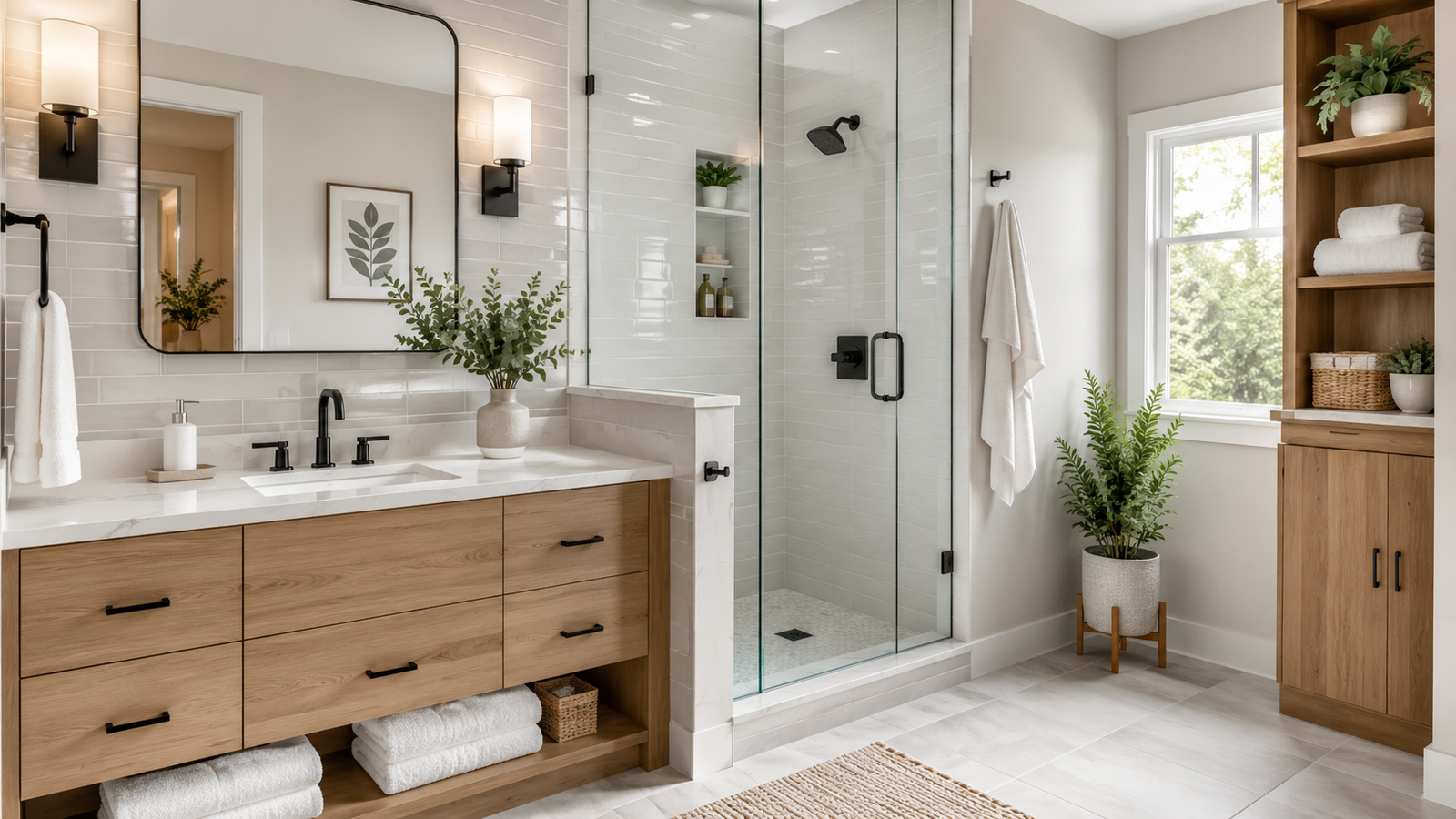
You don’t need to knock down walls or spend weeks living without a working shower to make your bathroom feel new again. Some of the biggest transformations come from small, smart changes: a coat of paint, better lighting, a new mirror, or fixtures that don’t look like they’re stuck in 2005.
Whether you’re working with a tight budget or planning something more ambitious, this guide walks through practical, high-impact ways to refresh your bathroom without the stress of a full renovation.
Start With a Fresh Color Scheme
Paint is the cheapest way to transform a room, and bathrooms are no exception. Light, soft tones like white, cream, pale grey, or muted blue make a small space feel airier and more open. If you want more personality, a deeper shade on a feature wall or vanity can add warmth without overwhelming the room.
A couple of things to keep in mind before you pick up a brush:
- Use paint specifically formulated for bathrooms or other high-moisture rooms. It resists humidity better and holds up longer.
- Prep matters more than people think. Patch cracks, scrape off any peeling paint, and give the walls a proper clean before you start. Skipping this step is the fastest way to end up with a finish that looks patchy within a year.
Replace Old Bathroom Fixtures
Sometimes the fastest way to modernize a bathroom isn’t a big project at all. It’s swapping out the small stuff — taps, showerheads, cabinet handles, towel rails, and toilet roll holders. These details get touched every day, and worn or dated fittings can drag down the whole room even if everything else looks fine.
Try to keep finishes consistent across the room. Chrome is still a safe, practical choice, but brushed nickel, brass, and matte black have become popular for a more current look.
One practical tip: check your existing measurements and plumbing connections before buying anything. Picking fittings that match what’s already there saves you time, money, and a possible call to a plumber.
Upgrade the Bathroom Lighting
Lighting changes how a bathroom feels more than almost anything else. A single overhead fixture might technically light the room, but it rarely does your mirror routine any favors. Adding light around the vanity — wall sconces, an illuminated mirror, or dedicated task lighting — makes shaving, applying makeup, or just getting ready in the morning noticeably easier.
Warmer lighting tends to make the space feel more relaxing, while brighter, neutral-toned light works best directly around the mirror where you need accuracy.
One important note: bathrooms are wet environments, so any light fixture needs to be rated for its specific location in the room. This isn’t the place to cut corners, and if you’re not confident with electrical work, it’s worth calling in a qualified electrician.
Install a New Bathroom Mirror
A new mirror is one of the quickest bathroom upgrades you can make, and it doesn’t require touching the layout at all.
A larger mirror bounces both natural and artificial light around the room, which can make a small bathroom feel noticeably bigger. Shape matters too — round or oval mirrors soften a room full of hard lines and straight edges, while rectangular mirrors give a clean, classic look that works almost anywhere.
If you want more function out of the swap, consider a mirrored cabinet. You get the reflective upgrade plus hidden storage in one move. And if your bathroom doesn’t get much natural light, an illuminated mirror can solve two problems at once.
Improve Bathroom Storage
Clutter is one of the fastest ways to make a bathroom feel smaller than it actually is. The fix isn’t always more space — it’s smarter use of the space you already have.
- Wall-mounted cabinets work well when floor space is tight.
- Floating shelves give you a spot for towels, toiletries, or a plant without eating into the room.
- Vanity units hide everyday items directly under the basin, and drawer-style units in particular make it easier to organize smaller products than deep, awkward cupboards.
Take a look at the spaces you’re probably ignoring — above the toilet, beside the vanity, or behind the door. These spots are often wasted but can hold real, functional storage.
Refresh the Shower Area
The shower tends to be the focal point of the room, so even a modest update here can shift how the whole bathroom looks and feels.
Swapping out an old, cloudy shower screen for a clear one can instantly make the space feel cleaner and more open, especially compared to heavy curtains or bulky framed enclosures. A new showerhead helps too — handheld models add flexibility, while larger rainfall-style heads create a more spa-like experience.
If your tiles are still structurally sound, you might not need to replace anything at all. Simply cleaning the grout can bring the whole shower area back to life. Just make sure to check the sealant around the tray or bath — stained or damaged sealant should be replaced promptly to avoid water getting where it shouldn’t.
Update Bathroom Tiles
Full retiling is a big job, and it’s not always necessary. If your existing tiles are in decent shape structurally, you can often get away with replacing just the damaged or visibly dated sections.
Another option is introducing new tile in a specific area — around the basin, shower, or bath — to create a feature that draws the eye without redoing the whole room.
A couple of design notes worth considering:
- Larger tiles mean fewer grout lines, which gives a cleaner, more modern look.
- Smaller decorative tiles work well when used selectively, like a border or accent strip.
- For floors specifically, slip resistance should factor into your decision just as much as appearance. Bathroom floors are wet often, and safety shouldn’t be an afterthought.
Replace Worn Bathroom Flooring
Flooring takes a beating in a bathroom — constant moisture, regular cleaning, and daily foot traffic all add up. Outdated or damaged flooring can make even a well-decorated bathroom feel tired.
Porcelain and ceramic tile remain popular for good reason: they’re durable and handle water well. Luxury vinyl is another solid option, and modern designs can convincingly mimic stone or wood while staying budget-friendly.
Whatever material you choose, installation quality matters just as much as the material itself. Water sneaking through damaged joints or poorly sealed edges can cause problems under the surface long before they’re visible. If you notice soft spots, ongoing dampness, or movement near the toilet, shower, or bath, get to the bottom of it before laying anything new down.
Upgrade the Vanity Area
You don’t have to replace an entire bathroom suite to fix a tired-looking vanity. Swapping the cabinet doors, handles, taps, or countertop can make a real difference on its own. In some cases, simply repainting the existing unit — if the material allows for it — is enough to give it a whole new look.
Wall-mounted vanities are a smart choice for smaller bathrooms since exposing more floor space makes the room feel less cramped. And units with drawers or built-in organizers help keep toiletries out of sight while still being easy to grab.
Whatever you choose, make sure the materials can handle regular humidity and the occasional splash without warping or peeling.
Improve Ventilation
A beautifully updated bathroom won’t stay that way long if ventilation is an afterthought. Steam and trapped moisture lead to condensation, mold, peeling paint, and damage around windows and ceilings — problems that can undo even a fresh renovation surprisingly fast.
A properly working extractor fan is one of the most underrated investments you can make in a bathroom. If yours already exists, check that it’s actually functioning and keep the vents free of dust buildup. Opening a window helps when it’s practical, but mechanical extraction is essential in bathrooms that don’t get much airflow naturally.
If you’re dealing with persistent mold or damp patches, don’t just paint over them. That’s treating the symptom, not the cause — and the underlying issue, whether it’s ventilation, a leak, or something else, will keep coming back until it’s actually addressed.
Add Small Decorative Changes
Not every improvement needs tools, a trip to the hardware store, or a weekend of work. Sometimes new towels, a bath mat, a soap dispenser, a few storage baskets, some artwork, or a bathroom-friendly plant is enough to make the room feel considered and refreshed.
The trick is restraint. Coordinated colors and finishes go a long way, but piling on too many small decorative touches tends to make a room feel cluttered rather than pulled together. A few well-chosen pieces usually beat a dozen scattered ones.
Make the Bathroom Easier to Clean
Good bathroom design isn’t just about how a space looks on day one — it’s about how easy it is to keep looking that way. Wall-hung furniture keeps floors clear and easier to mop. Larger tiles mean fewer grout lines to scrub. Solid storage keeps bottles and clutter off the countertops and bath edges where they tend to pile up.
When you’re choosing new fittings, think about maintenance as much as appearance. Complicated shapes and tight gaps might look interesting in the showroom, but they’re magnets for dust, soap scum, and moisture in real life.
Focus on Improvements That Add Everyday Value
It’s easy to get caught up chasing the latest bathroom trend, but the upgrades that matter most are usually the ones that fix what actually bothers you day to day. Maybe storage is tight, the water pressure is disappointing, the lighting near the mirror is bad, or the room never quite dries out after a shower.
Solving those everyday frustrations tends to deliver more long-term satisfaction than following a design trend that might feel dated again in a few years.
A simple way to approach it:
- Identify what actually bothers you about the bathroom day to day.
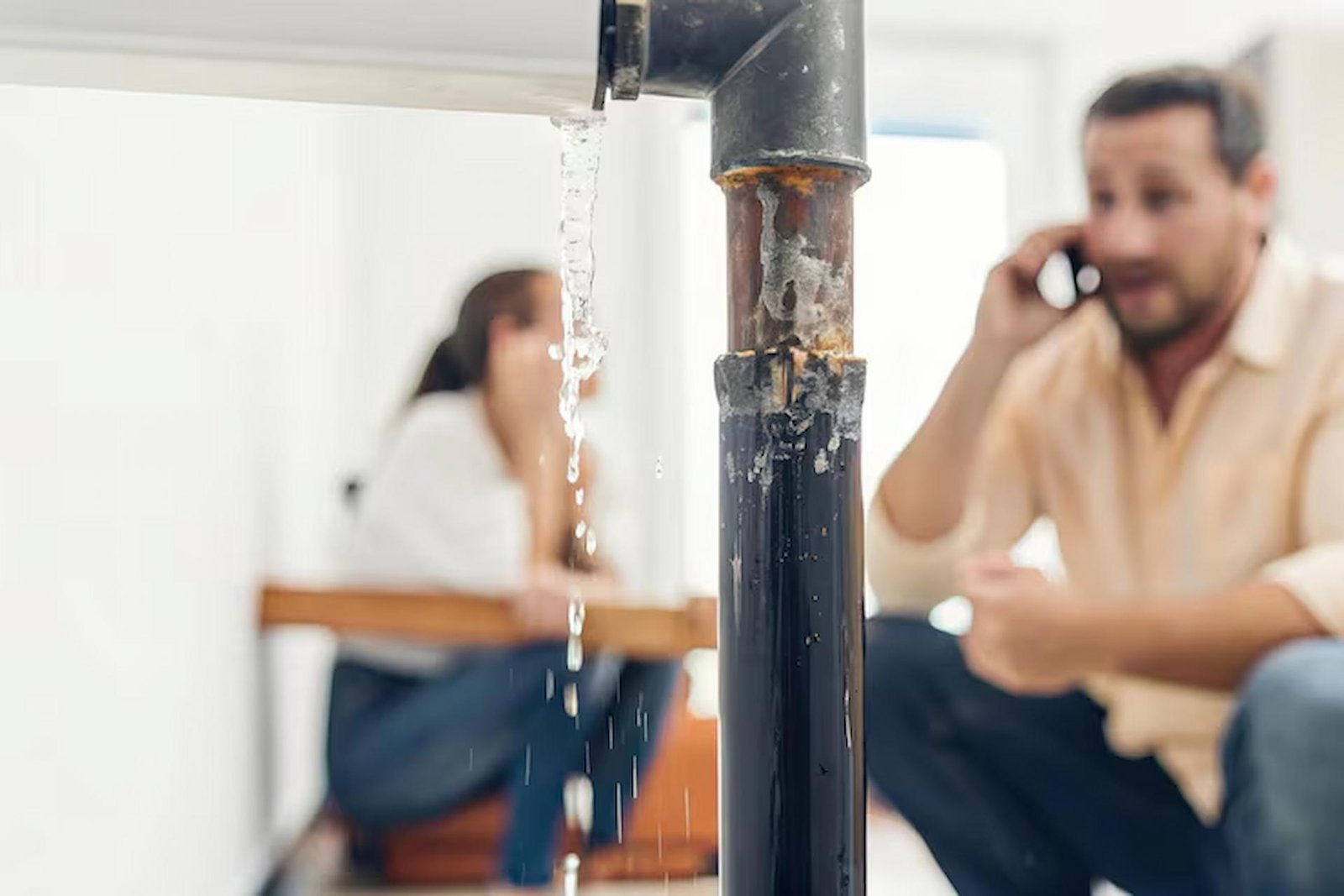
- Fix leaks, dampness, or damaged surfaces first — these only get worse with time.
- Set a realistic budget before you start picking finishes.
- Prioritize lighting, storage, ventilation, and fixtures over purely decorative choices.
- Finish with color and styling details once the functional work is done.
Frequently Asked Questions
What’s the cheapest way to update a bathroom? Paint and fixture swaps are usually the most affordable place to start. Repainting the walls or vanity, changing out taps and handles, and adding a new mirror can transform the look of a bathroom for a fraction of the cost of a full renovation.
How long does a bathroom refresh usually take? It depends on the scope. Cosmetic changes like painting, new fixtures, or a mirror swap can often be done in a weekend. Larger updates, such as retiling a shower or replacing flooring, may take a week or more depending on the extent of the work.
Do I need a professional for these updates? Many of the ideas here, like painting, adding shelving, or updating decorative touches, are manageable as DIY projects. Anything involving electrical work, plumbing connections, or structural changes to flooring or tiling is worth handing to a qualified professional to avoid costly mistakes down the line.
What should I prioritize if I can only do one or two things? Start with anything affecting daily use or the structural health of the room. Fix leaks, dampness, or ventilation issues first, then move to lighting and storage, since these have the biggest impact on how functional and comfortable the bathroom feels.
How can I make a small bathroom feel bigger without renovating? Light paint colors, a large mirror, wall-mounted storage, and clear glass shower screens all help. These choices open up sightlines and reflect light, which makes a small space read as larger without changing a single wall.
Why does my bathroom keep getting moldy even after cleaning? Persistent mold usually points to a ventilation problem rather than a cleaning problem. Check that your extractor fan is working properly and consider opening a window after showers. If mold keeps returning, there may be an underlying leak or moisture issue that needs to be investigated.
Conclusion
A bathroom refresh doesn’t have to mean tearing the room down to the studs. Fresh paint, better lighting, updated fixtures, smarter storage, a new mirror, or a refreshed shower area can completely change how the space looks and feels — often in a weekend, not a month.
The key is sequencing: handle the practical issues first, like leaks, poor ventilation, damaged flooring, or worn sealant, since these only get more expensive to fix the longer they’re ignored. Once those essentials are sorted, you’re free to focus on the changes that make the room feel like yours. Done thoughtfully, even a handful of small updates can leave you with a bathroom that’s brighter, more functional, and genuinely enjoyable to use for years to come.