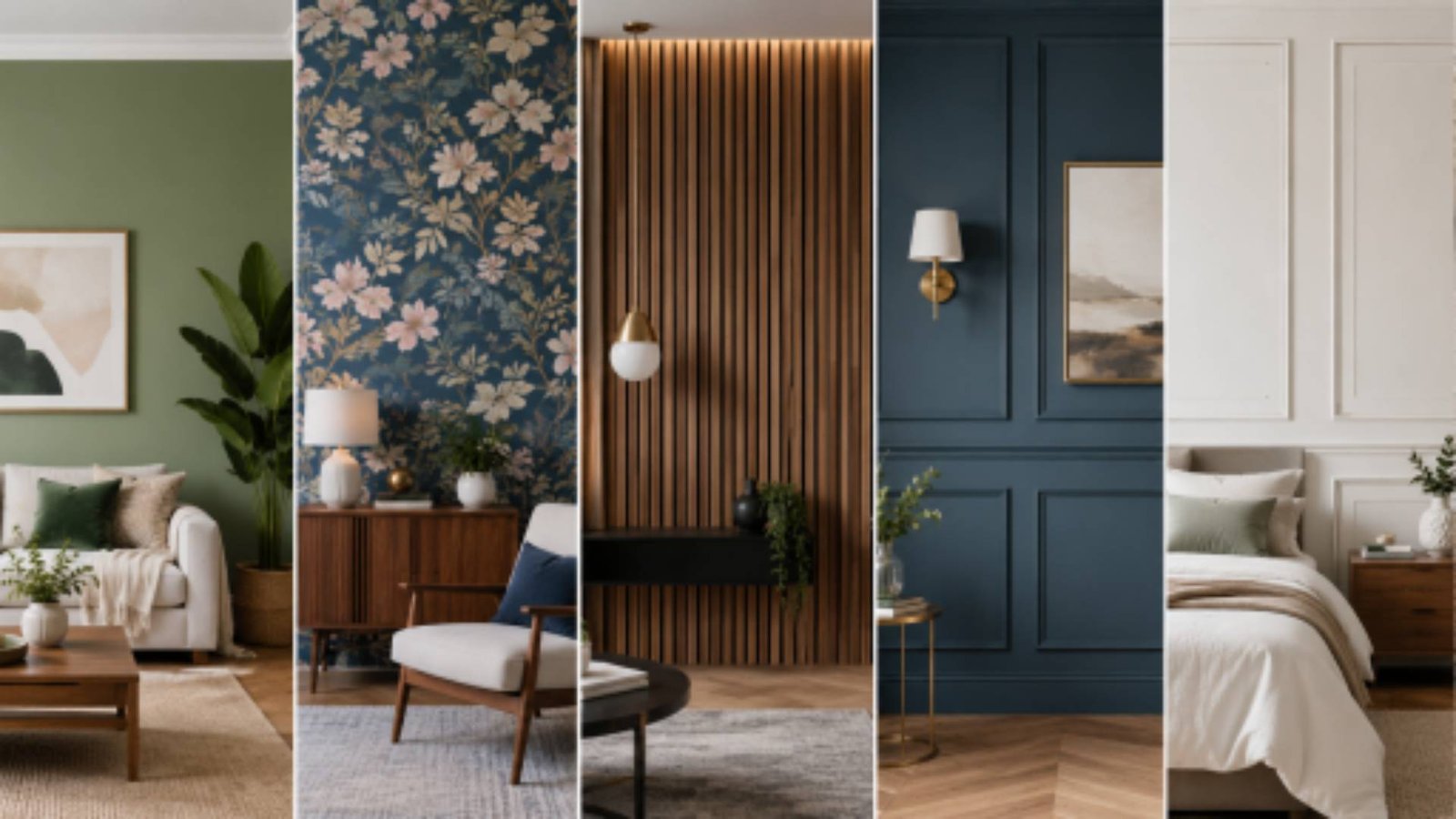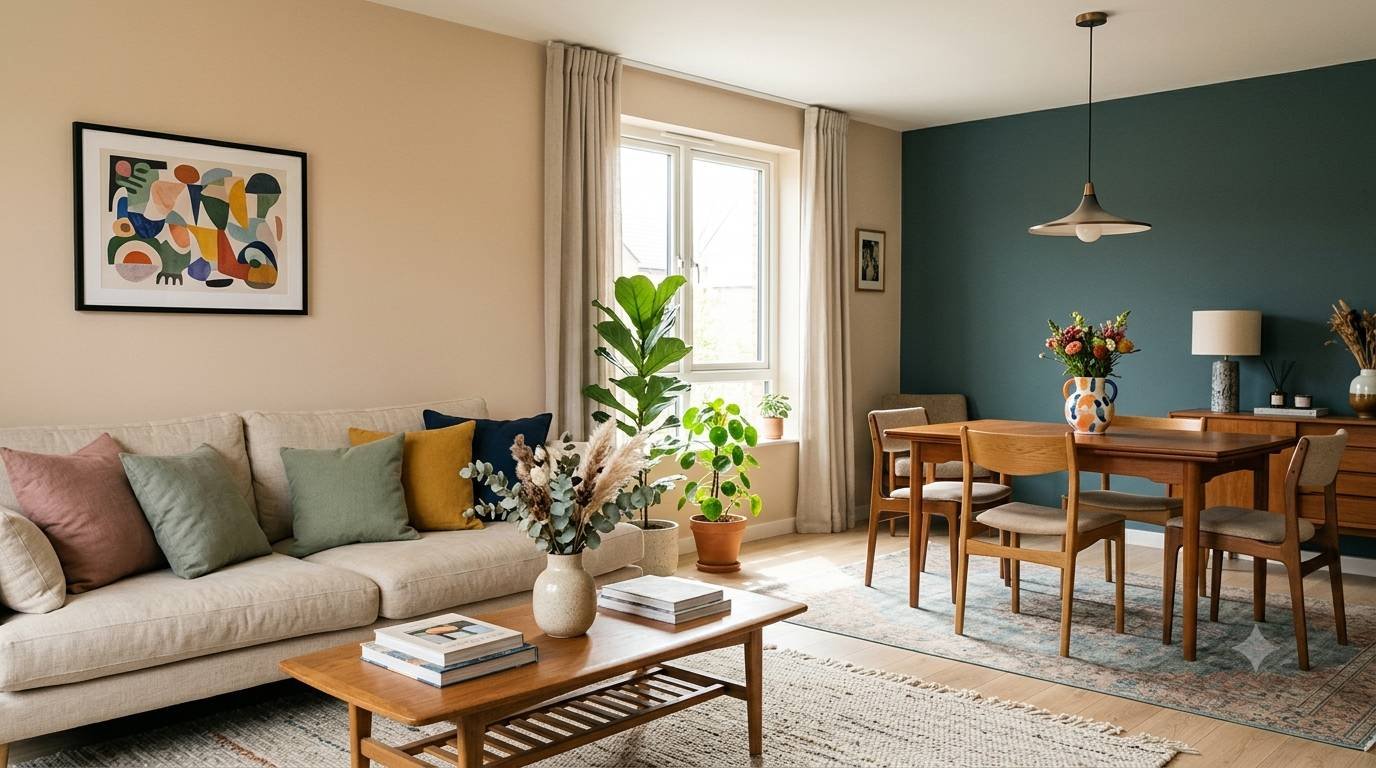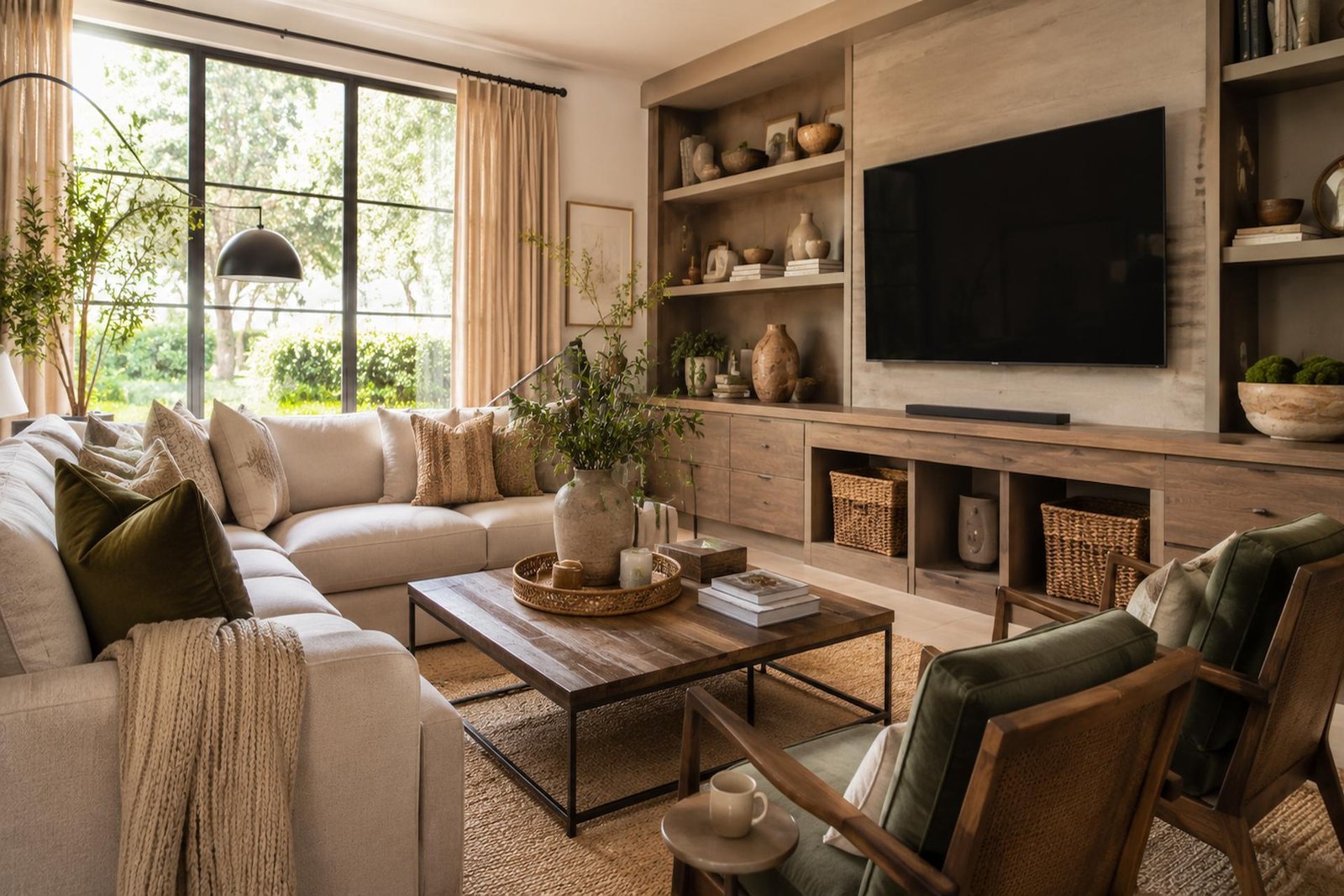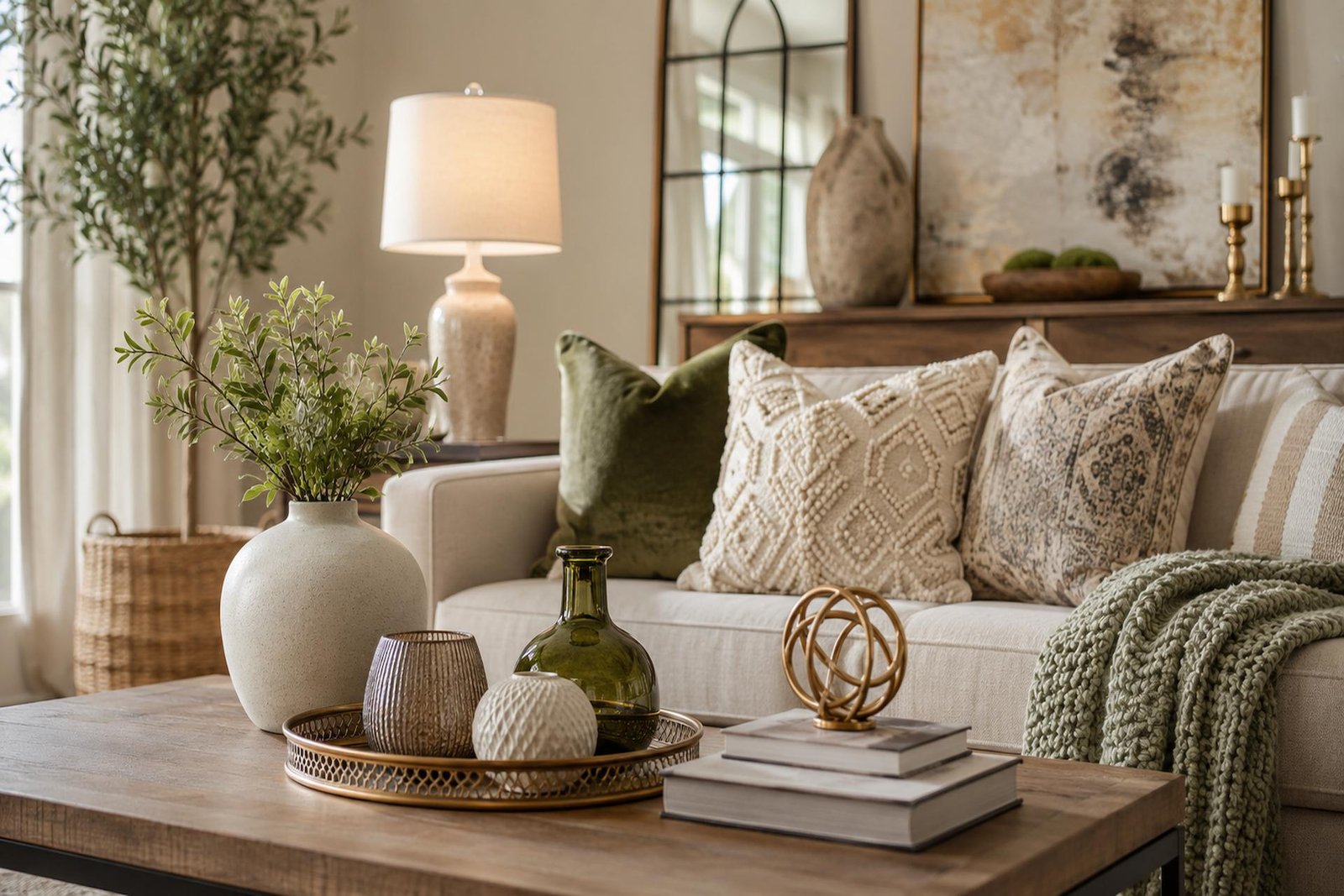
A beautifully designed room is rarely the result of furniture alone. The true character of a space comes from the finishing touches that add warmth, personality, and visual interest. Wall art, decorative accessories, layered textures, lighting, plants, and carefully chosen ornaments work together to make a room feel complete rather than unfinished.
Professional interior designers understand that successful decorating is about balance rather than filling every available space. Every decorative element should serve a purpose, whether it introduces colour, creates contrast, adds comfort, or reflects the homeowner’s personality.
This guide explores how to decorate with confidence by selecting the right wall art, accessories, and textures for every room. You’ll also learn practical styling techniques, common decorating mistakes to avoid, and affordable ideas that create high-end results without unnecessary spending.
Why Decorative Details Matter
Decorative accessories do much more than make a room attractive. They help transform a house into a home by creating an atmosphere that feels welcoming and lived in.
Well-chosen finishing touches can:
- Add personality and character
- Make rooms feel warm and inviting
- Create visual balance
- Highlight architectural features
- Introduce colour without major renovations
- Improve comfort through layered materials
- Refresh interiors without replacing furniture
Think of decorating as the final layer that brings every design decision together.
Start with a Clear Design Theme
Before buying artwork or decorative objects, decide on the overall style you want your home to reflect.
Popular interior styles include:
Modern
- Clean lines
- Minimal accessories
- Neutral colours
- Large statement artwork
- Metal and glass accents
Scandinavian
- Bright spaces
- Natural wood
- Soft textiles
- Simple artwork
- Minimal clutter
Traditional
- Rich colours
- Framed paintings
- Elegant mirrors
- Decorative mouldings
- Antique-inspired accessories
Transitional
This style blends traditional elegance with modern simplicity.
Expect:
- Neutral colour palettes
- Comfortable furniture
- Mixed materials
- Classic artwork
- Balanced decoration
Luxury-Inspired
Luxury interiors often feature:
- Oversized artwork
- Premium materials
- Statement lighting
- Sculptural accessories
- Layered textures
- Carefully curated decorative pieces
Keeping a consistent design direction makes decorating much easier.
Choosing Wall Art That Complements Your Space
Wall art is often the first decorative feature people notice when entering a room.
Instead of choosing artwork based only on colour, think about its relationship with the room.
Consider:
- Room size
- Ceiling height
- Furniture placement
- Natural lighting
- Existing colour palette
Large blank walls usually benefit from oversized artwork, while smaller spaces often look better with grouped pieces.
Finding the Right Size
One of the biggest decorating mistakes is hanging artwork that is too small.
As a general guideline:
- Artwork above sofas should cover around two-thirds of the furniture width.
- Dining room artwork should feel proportionate to the table.
- Bedroom artwork should relate to the width of the bed.
- Hallways benefit from medium-sized collections instead of one tiny frame.
Larger artwork often creates a stronger visual impact than several unrelated small pieces.
Creating a Beautiful Gallery Wall
Gallery walls remain one of the most popular ways to personalise interiors.
The secret is planning before hanging.
Choose a common element such as:
- Matching frame colours
- Similar artwork styles
- Coordinated colour palette
- Consistent spacing
- Shared theme
Lay everything on the floor first to test different arrangements before making holes in the wall.
Mixing photographs, illustrations, typography, paintings, and personal memories creates a display that feels collected rather than purchased all at once.
Decorating with Mirrors
Mirrors are both practical and decorative.
They help:
- Reflect natural light
- Make small rooms appear larger
- Add elegance
- Create depth
- Highlight architectural details
Place mirrors opposite windows whenever possible to maximise daylight throughout the room.
Large statement mirrors can become artwork in their own right.
Styling Shelves Like a Professional
Open shelving offers endless decorating opportunities, but it can easily become cluttered.
Professional styling usually combines:
- Books
- Small plants
- Decorative bowls
- Framed photographs
- Candles
- Sculptures
- Ceramics
- Storage baskets
Rather than filling every shelf completely, leave empty space between objects.
Negative space allows each item to stand out.
Coffee Table Styling Made Simple
A coffee table often serves as the centrepiece of a living room.
A balanced arrangement typically includes three or four elements.
Popular combinations include:
- Coffee table books
- Decorative trays
- Candles
- Small plants
- Ceramic bowls
- Sculptural objects
- Seasonal flowers
Grouping accessories together creates a cleaner, more intentional appearance than scattering individual items across the surface.
Layering Textures for Warmth and Comfort
Texture plays a major role in making a room feel inviting.
Even neutral spaces become visually interesting when different materials are layered together.
Combine materials such as:
- Linen
- Cotton
- Wool
- Leather
- Velvet
- Natural wood
- Stone
- Rattan
- Glass
- Metal
Each material contributes a different feeling while creating depth throughout the room.
Soft Furnishings That Instantly Transform a Room
Cushions and throws are among the easiest ways to update interiors throughout the year.
Mix different:
- Sizes
- Fabrics
- Patterns
- Colours
- Textures
Avoid using identical cushions throughout the room.
Instead, create variety while maintaining a coordinated colour scheme.
A chunky knitted throw, velvet cushions, and woven fabrics together create a comfortable layered look.
Rugs That Anchor the Space
A well-sized rug connects furniture and defines functional areas.
Living room rugs should generally extend beneath the front legs of sofas and chairs.
Dining room rugs should allow chairs to remain on the rug even when pulled out.
Bedrooms often benefit from large rugs extending beyond the bed to provide comfort underfoot.
Choosing the correct rug size usually has a greater impact than selecting an expensive design.
Bringing Nature Indoors
Indoor plants introduce colour, texture, and freshness.
Popular choices include:
- Snake plants
- Peace lilies
- Rubber plants
- Monstera
- Pothos
- ZZ plants
- Fiddle leaf figs
Mix large floor plants with smaller tabletop greenery to create visual layers.
If maintaining plants isn’t practical, quality artificial greenery can still soften a room.
Decorating with Ceramics and Decorative Objects
Accessories should feel meaningful rather than random.
Beautiful decorative pieces include:
- Handmade pottery
- Ceramic vases
- Wooden bowls
- Sculptures
- Glass ornaments
- Decorative boxes
- Natural stone pieces
Instead of displaying every accessory at once, rotate items seasonally to keep rooms feeling fresh.
The Importance of Lighting
Lighting influences how every decorative feature appears.
Layer multiple lighting sources instead of relying on a single ceiling fixture.
Combine:
- Ceiling lights
- Floor lamps
- Table lamps
- Wall sconces
- Accent lighting
Warm lighting enhances textures, artwork, wood finishes, and decorative accessories while creating a more relaxing atmosphere.
Colour Coordination Tips
Decorative accessories should support the room’s overall colour palette.
A helpful approach is the 60-30-10 principle.
- 60% dominant colour
- 30% secondary colour
- 10% accent colour
Accessories are the perfect place to introduce accent colours through cushions, artwork, ceramics, and decorative objects.
This keeps rooms cohesive while avoiding monotony.
Decorating Different Rooms Successfully
Living Room
Focus on comfort and conversation.
Include:
- Statement artwork
- Layered cushions
- Large rug
- Coffee table accessories
- Floor lamp
- Plants
Bedroom
Create a calm atmosphere using:
- Soft bedding
- Layered throws
- Coordinated bedside lighting
- Framed artwork
- Minimal decorative objects
Dining Room
Enhance gatherings with:
- Large artwork
- Statement pendant lighting
- Decorative centrepieces
- Elegant table styling
Home Office
Decorate for both inspiration and productivity.
Choose:
- Motivational artwork
- Organised shelving
- Indoor plants
- Practical storage
- Comfortable lighting
Budget-Friendly Decorating Ideas
Creating a stylish home doesn’t always require designer prices.
Affordable improvements include:
- Painting existing frames
- Creating printable wall art
- Rearranging existing accessories
- Updating cushion covers
- Shopping second-hand markets
- Adding indoor plants
- Styling books creatively
- Using woven baskets for storage
- DIY floating shelves
- Refreshing lampshades
Small updates often make a surprisingly large difference.
Premium Upgrades Worth Investing In
Some decorative elements provide lasting value.
Consider investing in:
- Original artwork
- Handmade ceramics
- Quality rugs
- Designer lighting
- Solid wood shelving
- Custom mirrors
- Premium textiles
- Artisan decorative objects
These timeless pieces often remain stylish for decades and elevate the overall appearance of a home.
Common Decorating Mistakes to Avoid
Even beautiful accessories can lose their impact if used incorrectly.
Avoid these common mistakes:
- Hanging artwork too high
- Choosing rugs that are too small
- Overcrowding shelves
- Using too many competing colours
- Buying decorations without a clear style
- Ignoring scale and proportion
- Using identical accessories throughout the room
- Forgetting texture
- Overdecorating every surface
- Following short-lived trends instead of timeless design
Sometimes removing a few items creates a stronger design than adding more.
Practical Styling Tips from Interior Designers
Professional decorators often rely on a few simple techniques:
- Decorate in odd-numbered groupings.
- Vary object heights for visual interest.
- Mix old and new pieces.
- Repeat colours throughout the room.
- Leave breathing room around decorative items.
- Use trays to organise accessories.
- Add natural elements to soften hard surfaces.
- Step back regularly to view the room as a whole.
Small adjustments can dramatically improve the final result.
Conclusion
The most memorable interiors are rarely the ones filled with expensive furniture alone. Instead, they are thoughtfully layered with artwork, textures, lighting, accessories, and personal touches that create warmth, balance, and character. Every decorative element should contribute to the overall story of the room while supporting both beauty and everyday comfort.
Whether you’re decorating a compact apartment, a family home, or a luxury residence, focusing on proportion, texture, colour coordination, and purposeful styling will help you create spaces that feel polished and welcoming. Start with a clear design vision, invest in timeless pieces where it matters, and build your décor gradually. By combining practical design principles with your own personality, you can create interiors that remain stylish, functional, and enjoyable for years to come.