Your home should feel like a personal sanctuary—one that supports how you actually live, not just how it looks in photos. The best interiors quietly make daily life smoother, more comfortable, and more enjoyable. This guide shares practical ways to create spaces that balance beauty with real-world function, whether you live in a small apartment or a larger house.
Start with Smart Space Planning
Good design begins with understanding how you use each area. Walk through your home and note daily movements: where you drop your keys, where the family gathers, and which spots feel cramped or underused.
Measure your rooms and sketch simple layouts on paper or a free app. Think about traffic flow—leave clear pathways of at least 90 cm wide between furniture pieces. In smaller homes, identify dual-purpose zones, such as a corner that can serve as both a reading nook and a home office.
Consider natural light and views early. Position main seating to face windows or pleasant outlooks whenever possible. This simple step makes any room feel larger and more connected to the outdoors.
Furniture Arrangement That Works
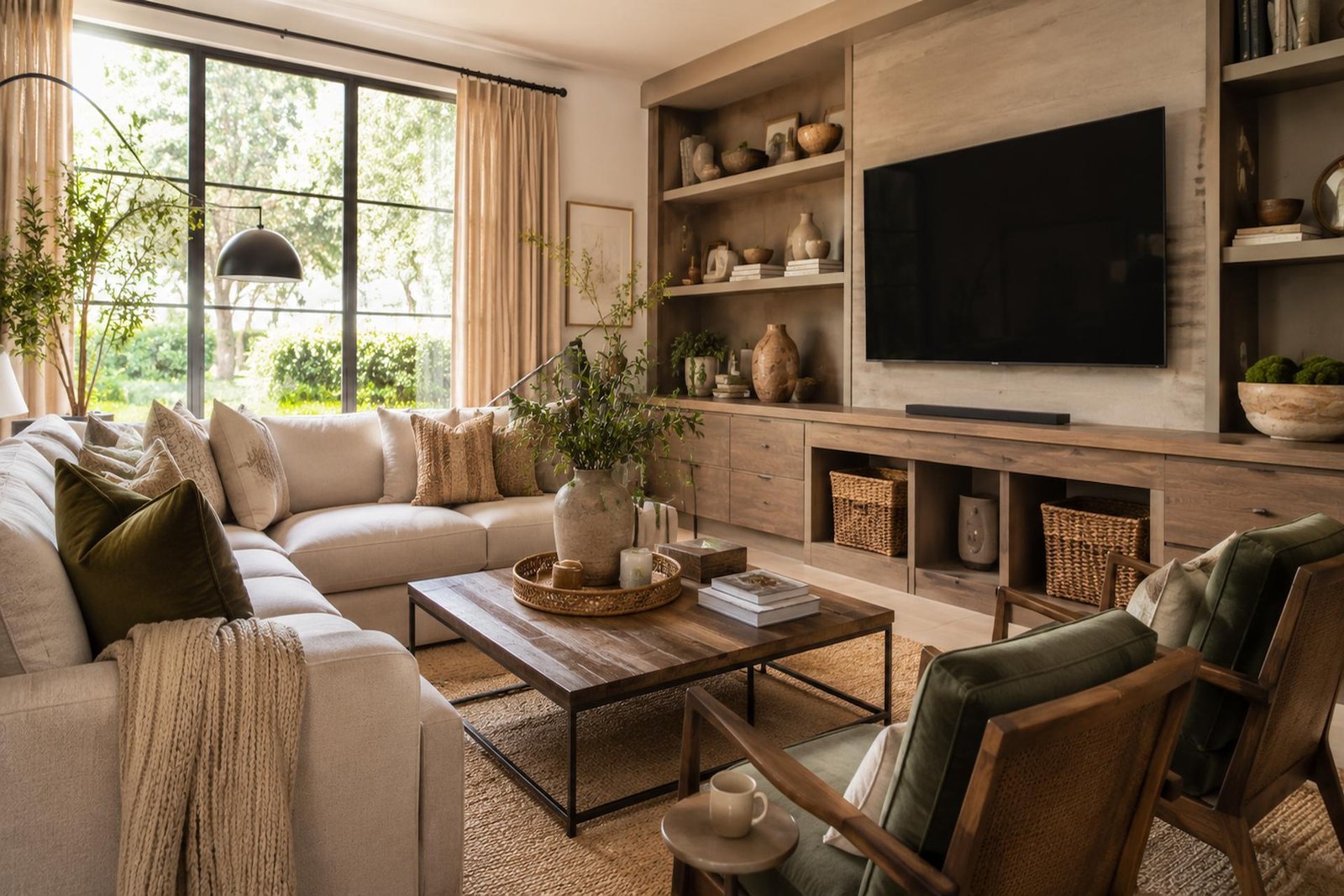
Place your largest piece of furniture first—usually the sofa in a living room. Anchor it with a rug to define the space, then arrange secondary seating so people can talk comfortably without shouting.
Avoid pushing all furniture against walls. Pulling pieces slightly inward creates a cozier, more intimate feel and often improves flow. In open-plan homes, use furniture to gently divide zones without blocking light.
Test arrangements by living with them for a few days. Move things around until the layout feels natural. The goal is effortless movement and easy conversation, not perfect symmetry.
Lighting Strategies for Every Time of Day
Layer three types of lighting: ambient, task, and accent. Ambient provides overall brightness, task lighting supports specific activities like reading or cooking, and accent lighting adds warmth and highlights favorite objects.
Use dimmer switches wherever possible—they let you shift the mood from bright and energetic in the morning to soft and relaxing in the evening. Table lamps and floor lamps bring light to eye level, which feels far more comfortable than harsh ceiling lights alone.
Natural light matters too. Keep windows unobstructed and use mirrors to bounce light deeper into rooms. In darker spaces, choose lighter wall colors and reflective surfaces to maximize whatever daylight you have.
Clever Storage Solutions
Clutter steals comfort faster than almost anything else. Build storage into the design from the start. Look for opportunities like built-in benches with lift-up seats, floating shelves, or ottomans with hidden compartments.
In entryways, add a narrow console with drawers and hooks above it. Bedrooms benefit from beds with storage underneath or tall, slim wardrobes that reach the ceiling. Kitchens stay calmer when every item has a dedicated home.
The best storage feels invisible. Choose pieces that match your style so they blend in rather than announce themselves as practical.
Multipurpose Furniture for Flexible Living
Modern homes often need furniture that adapts. A sturdy coffee table with lift-top becomes a work surface. A daybed or sofa bed handles guests without dedicating an entire room to occasional use. Nesting tables slide away when not needed.
Look for quality pieces that serve multiple roles without compromising comfort. A well-made extendable dining table, for example, works for everyday meals and larger gatherings. Murphy beds or fold-down desks transform rooms as your needs change.
Choosing Natural Materials
Natural materials age gracefully and feel better to live with. Wood warms up spaces and develops character over time. Linen, cotton, wool, and leather develop soft patinas that improve with use. Stone, rattan, and bamboo add texture and visual interest.
Mix materials for depth: pair a smooth leather sofa with a chunky knit throw and wooden side tables. These combinations create rooms that feel layered and inviting rather than flat or matchy-matchy.
Prioritize quality over quantity. One beautiful solid-wood table will outlast several cheaper versions and look better as it ages.
Ergonomic Layouts for Everyday Comfort
Think about how your body feels in each space. In home offices, position your screen at eye level and keep your feet flat on the floor. Bedrooms need space on both sides of the bed for easy access. Living rooms should let you put your feet up without awkward stretching.
Choose furniture that fits your body. Sofas with proper lumbar support, chairs with comfortable seat depth, and beds with good mattresses make daily life noticeably better. Small adjustments—like adding a footstool or a lumbar pillow—can reduce strain dramatically.
Practical Accessories That Improve Daily Life
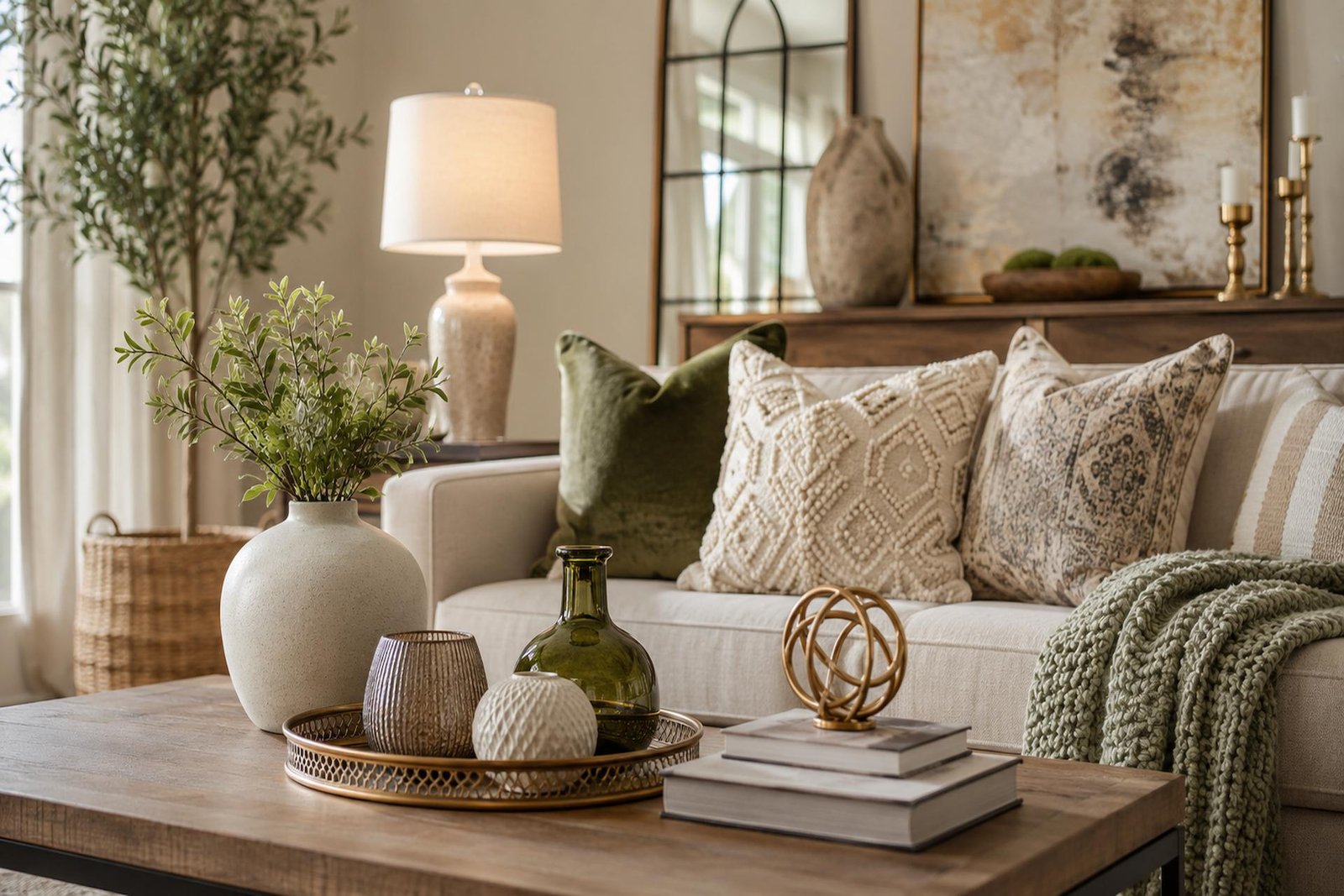
The small things often make the biggest difference. Place baskets near sofas for blankets and remotes. Keep a tray on the coffee table for drinks and snacks. Use hooks inside cabinet doors for extra storage.
In high-traffic areas, choose durable rugs and easy-clean fabrics. Add plants not just for looks but for their air-purifying qualities and the calming effect of caring for them. Beautiful yet practical items—like ceramic bowls for keys or woven trays for mail—turn ordinary objects into part of the design.
Creating Specific Rooms That Work
Living Rooms: Focus on conversation and relaxation. Arrange seating in groupings and include side tables within easy reach. Mix comfortable seating with a few statement pieces for personality.
Home Offices: Separate work from living as much as possible. Good task lighting, organized storage, and a supportive chair matter most. Even small corners can work well with wall-mounted desks and vertical storage.
Bedrooms: Keep them calm and personal. Invest in quality bedding and blackout curtains if needed. Limit furniture to essentials so the room feels restful rather than busy.
Dining Spaces: Make them flexible. Choose chairs that are comfortable enough for lingering meals. Add lighting that can be dimmed and surfaces that clean easily.
Family Areas: Plan for change. Durable fabrics, flexible seating, and plenty of storage help these spaces evolve as children grow or needs shift.
Seasonal Updates Without Starting Over
Permanent design elements should stay neutral and timeless. Refresh with textiles, plants, artwork, and smaller accessories. Swap heavy winter throws for lighter cotton versions in spring. Add fresh flowers or branches seasonally. Rearrange artwork or introduce new cushions to change the feeling without major expense.
These small shifts keep your home feeling current and cared for throughout the year.
Avoiding Common Design Pitfalls
Many people buy furniture before measuring or choose style over comfort. Always test pieces in person when possible. Another frequent mistake is filling every surface—negative space is as important as the objects themselves.
Beware of trends that don’t suit your lifestyle. A beautiful open shelving unit loses appeal quickly if you hate dusting. Choose solutions that solve your actual problems rather than following current fashions.
Affordable Upgrades and Worthwhile Investments
You don’t need a big budget to improve your home significantly. Fresh paint, new hardware, better lighting, and well-placed rugs deliver high impact for relatively low cost.
Invest in items you use daily: a quality mattress, comfortable sofa, and good kitchen tools. These pieces affect your daily comfort and usually pay for themselves in years of reliable service.
Real-World Inspiration
Picture a compact apartment where a clever wall of built-in storage makes the living area feel spacious. Or a family home where the dining table extends for homework, meals, and game nights. In one successful project, adding a reading lamp and comfortable chair to a previously unused corner transformed it into everyone’s favorite spot.
These examples show that thoughtful choices matter more than square footage or expensive pieces.
Your home can beautifully support your life while looking warm and inviting. Focus on what makes you and your household feel good day after day. Start with one room or even one corner, make changes that solve real problems, and build from there. The most successful spaces feel personal, practical, and genuinely comfortable—they quietly improve your everyday experience.