Most homeowners don’t spend much time thinking about the plumbing hidden behind their walls. As long as water flows from the faucet and the drains work properly, it’s easy to assume everything is in good shape. However, plumbing systems age just like any other part of a home, and the problems often develop quietly before becoming expensive emergencies.
If your home has older pipes, learning more about repiping Artesia, NM can help you understand when replacing aging plumbing becomes a smarter long-term solution. Addressing worn-out pipes before they fail can protect your home from costly repairs and improve the reliability of your plumbing system.
Why Do Plumbing Systems Wear Out?
Every plumbing system experiences normal wear over time. Water constantly moves through the pipes, carrying minerals that slowly build up inside. Changes in water pressure, temperature fluctuations, and years of daily use all contribute to the aging process.
Depending on the material used, pipes may eventually corrode, crack, or weaken. While regular maintenance can help identify small issues, no plumbing system is designed to last forever. As the pipes age, they become more vulnerable to leaks and other problems that affect your home’s efficiency.
What Happens When Pipes Begin to Corrode?
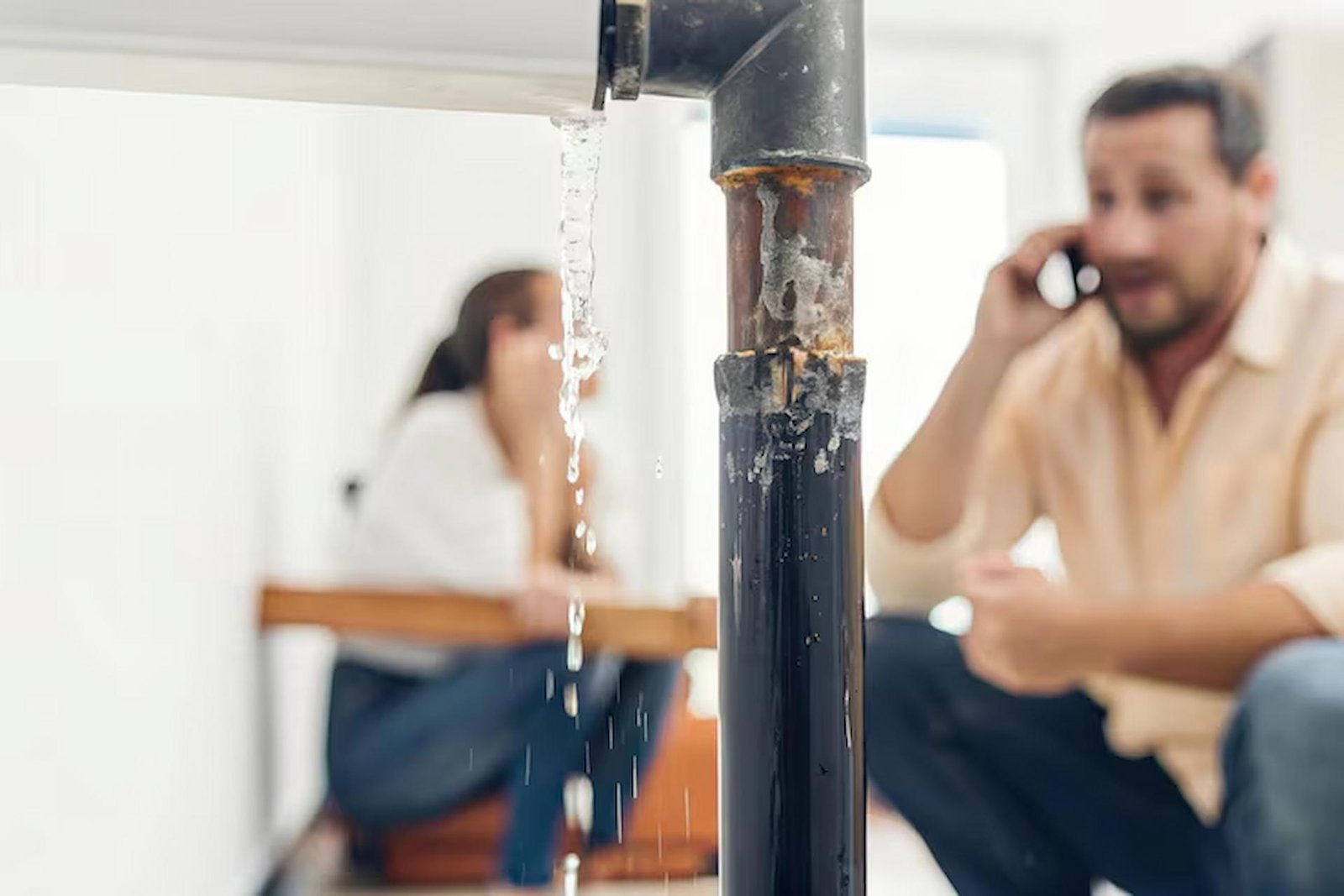
Corrosion develops gradually, which is why many homeowners don’t notice it until visible signs begin to appear. As the inside of the pipes deteriorates, rust and mineral deposits can reduce water flow and make the plumbing system less efficient.
Corroded pipes are also more likely to develop leaks. Even a small crack can allow moisture to escape behind walls or beneath flooring, where it often goes unnoticed. Over time, that hidden moisture can damage drywall, insulation, wood framing, and flooring materials, leading to repairs that extend well beyond the plumbing itself.
How Can Old Pipes Affect Water Quality?
Your plumbing system doesn’t only deliver water, it also affects the quality of the water your family uses every day. As older pipes deteriorate, they may release rust or other particles into the water supply.
You might notice water that appears discolored, develops an unusual taste, or has an unpleasant odor. Reduced water pressure can also occur as corrosion narrows the inside of the pipes.
Although changes in water quality can have several causes, aging plumbing is one possibility that should never be overlooked. A professional inspection can help determine whether your pipes are contributing to the problem.
Why Can Small Leaks Become Major Problems?
Many plumbing problems begin as slow, almost invisible leaks. Because the water escapes behind walls or under floors, homeowners may not realize anything is wrong until visible damage appears.
Over time, continuous moisture can weaken structural materials and create ideal conditions for mold growth. What might have started as a simple repair can eventually require replacing drywall, flooring, cabinets, or sections of the home’s framing.
Taking care of plumbing issues early is usually far less expensive than waiting until the damage becomes obvious.
What Warning Signs Should You Never Ignore?
Older plumbing systems often provide clues before a major failure occurs. Paying attention to these warning signs can help you address problems before they become emergencies.
- Water pressure has become noticeably lower.
- Rust-colored or cloudy water comes from the faucets.
- Leaks keep appearing in different parts of the home.
- Pipes make banging, rattling, or whistling noises.
- Water stains appear on walls or ceilings.
- Plumbing repairs have become more frequent.
If several of these signs are occurring at the same time, it’s a good idea to have your plumbing system professionally inspected.
Is Repiping Worth the Investment?
Many homeowners hesitate when they hear the word “repiping” because it sounds like a major project. While replacing old pipes does require planning, it often solves recurring plumbing issues that temporary repairs cannot.
A newer plumbing system can provide more reliable water pressure, reduce the risk of leaks, and improve overall efficiency. It can also increase confidence that your home’s plumbing is prepared to serve your family for many years without constant repairs.
Every home is different, but when repairs become frequent and the plumbing system continues to age, investing in new piping may provide greater long-term value than repeatedly fixing isolated problems.
Conclusion
Old plumbing systems often create hidden risks that aren’t immediately visible. Corrosion, leaks, declining water quality, and repeated repairs can all signal that the pipes inside your home are reaching the end of their useful life. While routine maintenance helps extend the lifespan of a plumbing system, it cannot stop the natural aging process.
Understanding the condition of your plumbing before a major problem develops allows you to make informed decisions that protect both your home and your budget. Whether your pipes need repairs or a complete replacement, taking action early can help prevent expensive water damage and provide greater peace of mind for years to come.